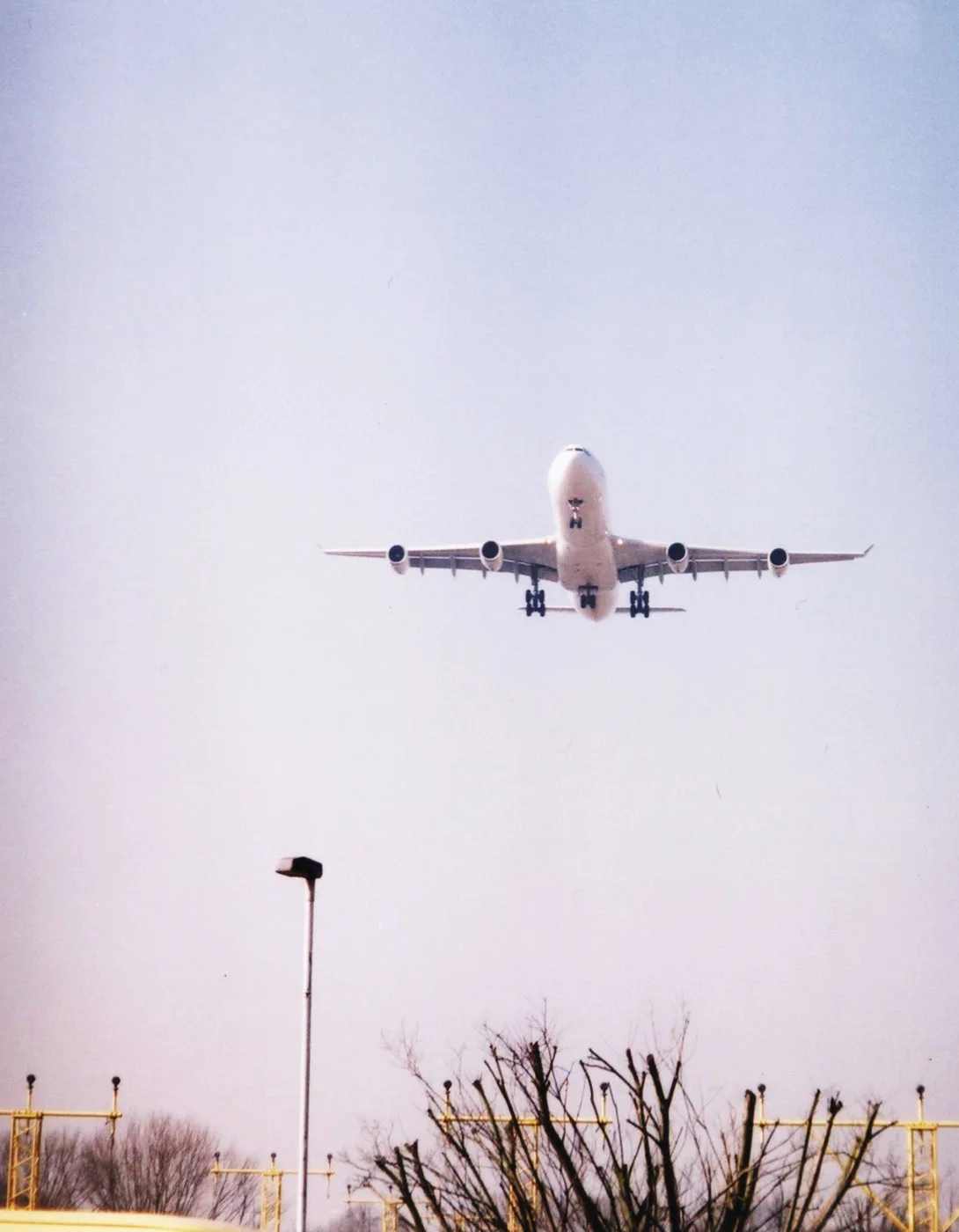

Sadiq Khan says he still vehemently opposes a third Heathrow runway and wants ministers to act on a new MPs' report, citing ULEZ air gains across all of London.
Sadiq Khan has told the Government to “take on board” the findings of MPs on the Commons Transport Select Committee, which on Thursday 26 November published its second scrutiny report on the draft Heathrow Expansion National Policy Statement (HENPS). The Mayor of London said he continues to “vehemently oppose” a third runway.
City Hall’s argument leans on the Ultra Low Emission Zone, which it says now covers every borough in the capital, Lewisham included, after expansions in 2021 and 2023. It says a bigger Heathrow “threatens to undo these hard-won gains, putting Londoners’ health at risk.”
Overview
- What happened: MPs on the Transport Select Committee published their second report on the draft HENPS on 26 November 2026.
- The Mayor’s position: he welcomes the scrutiny, remains “hugely concerned” about noise, air pollution and climate targets, and opposes expansion.
- Flights: City Hall says the plans mean a 58 per cent increase in flights at Heathrow.
- Roads: around 60,000 extra highway trips a day, about 22 million a year, by City Hall’s figures.
- Money: City Hall cites a Government appraisal putting the net present value at between minus £23 billion and minus £63 billion.
What Sadiq Khan said
“I welcome the Transport Select Committee’s thorough scrutiny of Heathrow expansion plans,” the Mayor said. “I remain hugely concerned about the impact a third runway would have on noise and air pollution as well as our ability to meet climate change targets.
“I remain unconvinced that hundreds of thousands of additional flights each year could be delivered without a hugely detrimental impact on our environment and local communities. There are also significant knock-on effects that Heathrow expansion would have on London’s transport infrastructure. The new capacity required from additional transport services would also place a substantial extra burden on the taxpayer.
“I continue to vehemently oppose these plans, and the Government should take on board the findings of the committee.”
The committee’s report is published on the Parliament website. The response from the Mayor, the Greater London Authority and Transport for London to the consultation on the draft statement is on TfL’s aviation page.
The air quality argument
The ULEZ was introduced in 2019. City Hall says King’s College London had predicted it would take almost two centuries for toxic nitrogen dioxide (NO2) in London’s air to fall within legal limits, and that this happened last year, 184 years earlier than expected.
It also cites:
- Imperial College London research finding a 34 per cent drop in NO2 and a 28 per cent drop in PM2.5 in communities near Heathrow between 2019 and 2024;
- a fall of around 40 per cent in estimated deaths associated with air pollution since the ULEZ, with hospital admissions also down;
- a Queen Mary University of London study showing children developing stronger and healthier lungs since the zone began.
Noise and night flights
City Hall says a 58 per cent rise in flights would have “severe consequences for local communities already suffering from aircraft noise”, because improvements from quieter technology and operations would go into more flights rather than less noise.
It describes the noise mitigations in the proposal as “misleading at best”. By its reading, what is called a night flights ban could in fact allow flights to double, and the predictable respite on offer would give most residents half the break from flight noise they get now.
Roads, the Elizabeth line and the Piccadilly line
City Hall says the sustainable travel targets in the plans could still mean around 60,000 extra highway trips a day, roughly a 35 per cent rise in current airport traffic, much of it on local roads and on the M4 and M25. If the Government goes ahead, the Mayor wants a target of no additional highway trips.
Public transport trips to the airport are expected to double. City Hall says that would need more Elizabeth line and Piccadilly line services, with a major signalling upgrade on the Piccadilly, new rail links to the south and west, and bus and cycle priority around Heathrow. Heathrow would pay for changes to the road network, but City Hall says there is no agreement on the public transport investment, and that “the benefits outlined in the statement depend on major rail and public transport investment that has not been secured.”
The economic case
City Hall says the case for expansion relies heavily on Airports Commission evidence produced more than a decade ago, before changes in business travel demand, wider airport capacity and climate commitments.
It says the Government’s appraisal of the financial case shows a negative net present value of between £23 billion and £63 billion, suggesting the UK could be worse off overall, and puts the contribution to GDP at 0.05 per cent in 2056. City Hall calls that a 90 per cent reduction on what the Government promised when it backed the scheme in January 2025.
Source: Mayor of London press office.
Have your say